
Logan and Albert Conservation Association
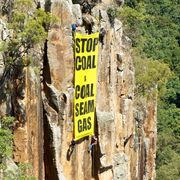 COAL SEAM GAS PROTEST IN THE PADDOCK
BEAUDESERT SUNDAY 16 October
NATIONAL PROTEST DAY - PROTECT OUR WATER
WHERE - 180 - 208 Brisbane St 9 vacant land opposite Beaudesert High School Car parking at Westerman Park and walk to gate from there.
TIME - meet at 10.30 am for 11 am (helicopter flyover time to be confirmed)
LOCK THE GATE SIGNS - can be purchased from video store in Beaudesert near Coles or at the Solar Shop
BANNER - MAKE YOUR OWN - JOIN WITH FRIENDS - MARK OUT LAND WITH LIME
There will be a helicopter flyover to capture the protest for national press.
RSVP - please reply by email to This email address is being protected from spambots. You need JavaScript enabled to view it. if you are hoping to attend this protest site
Click on image to find out who our heroes are hanging the banner from Mt French.
There have been no surveys to determine density and / or health of koalas in Scenic Rim area.
KOALAS NOT COAL!!
COAL AND COAL SEAM GAS INDUSTRY ARE PUBLIC ENEMIES NUMBER ONE WITH REGARD TO HUMAN AND ANIMAL HEALTH AND WELLBEING.
Report of the Senate Inquiry into Koalas
 The Report of the Senate Inquiry into Koalas, The koala – saving our national icon, was finally tabled in Federal Parliament on 22 September. It is a very readable document and its nineteen recommendations provide a sound framework for important first steps in improving the chances of saving koalas in areas where their numbers have declined significantly.
Minister Burke says he also welcomes the Report and that he will be working through the Committee's recommendations as well as the extensive assessment undertaken by the Threatened Species Scientific Committee and comments from the public in his own assessment of whether or not to list the Koala under the Federal Environment Protection and Biodiversity Conservation Act. While the situation is complex, we believe the Act does lend itself to a vulnerable listing in areas where koala populations have declined significantly or are at risk of doing so.
We call on Minister Burke to find a way to do the right thing and list.
The recommendations can be read here
Of particular importance is Recommendation 17
5.82 The committee recommends the Environment Minister consider options to improve the conservation status of the diverse and rapidly declining koala populations in New South Wales and Queensland to ensure a nationally resilient population is maintained. These options include listing the koala as vulnerable under the EPBC Act in areas where populations have declined significantly or are at risk of doing so.
UNLESS THERE IS FEDERAL LEGISLATION THAT REQUIRES ALL ACTIVITIES WITH POTENTIAL TO IMPACT NEGATIVELY OF THE SURVIVAL OF THE KOALA IN ITS NATURAL HABITAT BE REFERRED FOR FEDERAL JURISDICTION LACA FEARS THAT KOALAS WILL VANISH FROM THE LANDSCAPE OF SOUTH EAST QUEENSLAND.
Current Queensland Policy is smoke and mirrors with most developments ULDA TMR road power water infrastructure being interested only in the lowest cost for their 'job'. Future health and wellbeing of any wildlife is not part of the cost of the activity. There have been no detailed seasonal study for any fauna or flora - apart from Melaleuca Irbyana . Claims are being made that species are locally extinct - at the same time residents are reporting active koala movements.
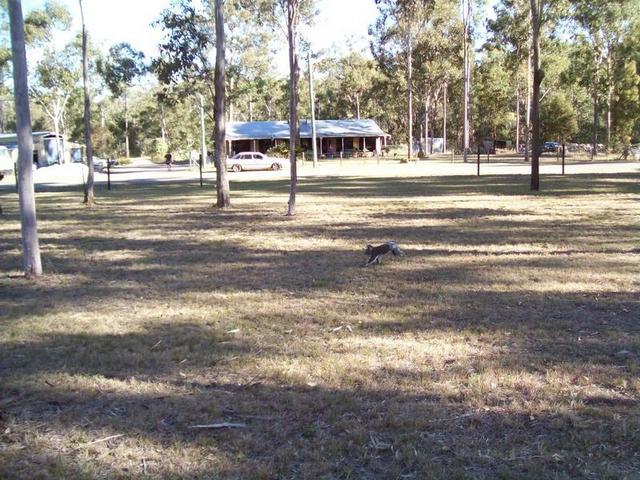
Image above clearly shows a koala crossing the open land on property behind me. My unmowed native grass paddock would prevent me from seeing a koala crossing. Your sightings are invaluable as data to protect our wildlife.
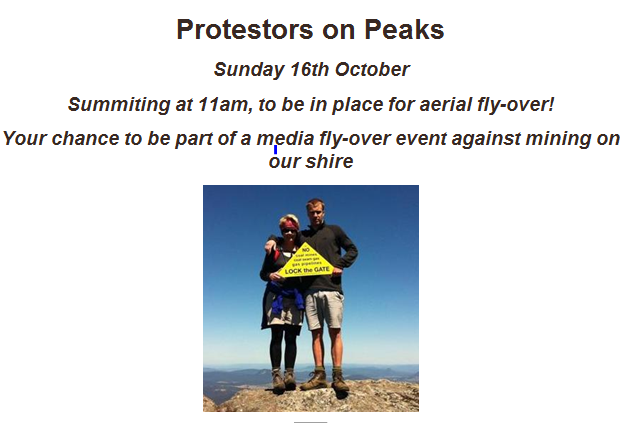 October 16th National Day - Protesters on Peaks
Coal Seam Gas and coal mining threaten the Scenic Rim
Mega Quarries and other industrialised infrastructure are also signigicant threats to the quiet peaceful rural amenity that makes the Scenic Rim Region an eco tourism destination.
CLICK ON IMAGE TO LEFT TO SEE ABSEILORS INSTALLING THE BANNER FROM THE TOP OF MT FRENCH - as seen on Channel 7 news.
Visit website http://www.keepthescenicrimscenic.com/ to join movement, support in any way - stay in touch with the action!
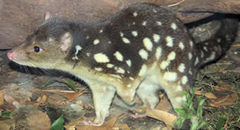 GREENBANK QUOLL WORKSHOP INFO DAY
Wildlife Queensland would like to invite you to a special Quoll Seekers Network event!
What: Quoll Discovery Day
When: Sunday 30 October 2011 from 10am - 1.00pm
Where: Greenbank Sport and Recreation Club, 720 Middle Rd, Greenbank, Logan City, south of Brisbane.
Who: Leading quoll researcher Dr Scott Burnett; QSN project officer, Alina Zwar and a live quoll or 2 with Martin Fingland from Geckoes Wildife Presentations.
Why: To share knowledge about local quoll sightings and find out how to get involved with the surveys.
RSVP by 24 October to This email address is being protected from spambots. You need JavaScript enabled to view it. or phone Alina or Ewa on 3221 0194.
The spotted-tailed quoll is a cryptic creature - unlike its northern cousin which is highly visible in its habits and habitat close to humans. Our local quoll has been unseen in this area for over 70 years until road kill was taken by a local cyclist to the Queensland museum for identification a few years ago. This was positively identified as spotted-tailed quoll. Not a lot is really understood about these local wildlife creatures except that they are extremely elusive and shy. They are carnivorous, feed on road kill and have become road kill, are great climbers and are attracted to chickens, which has also lead to their death by angry farmers before they were listed as nationally endangered by the federal government under the EPBC Act.
Unfortunately there are many threats to the long term survival of many of our local wildlife within the bushland areas of Logan. Loss of habitat is the greatest threat as we clear bushland without adequate flora and fauna studies. There is as yet no legislated necessity for adequate connected core habitat to be conserved. Wild dogs and foxes - and our baiting methods to controll them are also a threat. The introduced cane toad also causes death of quolls.
ADOPT-A-QUOLL program offers one way to help. Find out about it here.
 Headlines and articles in papers almost always report our human fear of the flying fox or fruit bat - our important pollinator for gums and rainforests. The emotive language used in a recent post The battle brewing over bats, the pariah of Australian wildlife does little to settle fears.
The fear of bats is being exploited by many press. Death directly related to flying foxes is minimal - 6 since 1994 while more than 30000 children die daily from polluted water supplies. More horses have died from other causes eg culling and toxic weeds in the paddock than have died from Hendra. Understanding the ecology of natural systems and the interaction of all the biodiversity interacting together - biodiversity infrastructure - is critical to our human survival on the planet.
TEEB The Economics of Ecoysytems and Biodiversity a tool which places a monetary value on the services and goods that nature provides humans on a global scale. Yet we fail to consider these seriously when politicans and planners make decisions about human settlement and our creature comforts. We have cleared great swathes of land that would have provided habitat. The value of these services are being considered internationally - but not locally or at state level.
Elsewhere in the world urban dwellers are learning to live with brown bears and understand that what we do can attract them and also distract them away.
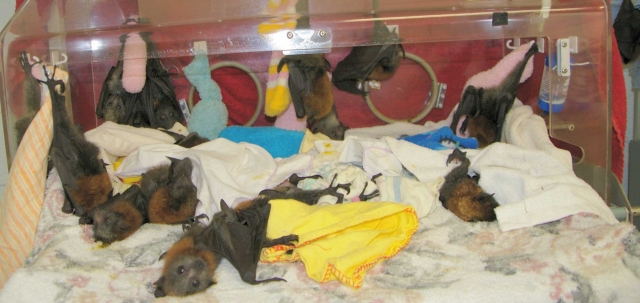 Baby bats in care are raised in a nursery situation and are cute and cuddly - if you've been vaccinated. Dogs with rabies is a health threat currently in Bali but travellers take the precaution of vaccination.
Learning to live with our native species - our wildlife - is critical for our human wellbeing on our one planet. Drastic actions to interfer with the ecology of other species may bring about unwanted and unplanned reactions.
The folk at Gayndah may have displaced some species of flying fox - or did they move of their own accord? I believe the black flying fox is now looking for a roost in the area.
Teaching with cruelty and fear is a method many of us have discarded. Respect for all species and their niche in the global system is long overdue.
Globally Australia in being watched to see the results and outcomes of the recent report by the Australian Parliamentary inquiry into the status of the iconic animal's population. This report acknowledges that the koala is under serious threat - our iconic animal's population is diminishing in some areas.
Following a lengthy investigation, the official report released a few days ago paints a bleak picture, indicating that koala numbers are in free fall, with few exceptions. "Declines of 80 per cent in some areas and even localised extinctions in other areas have been documented."
The report listed 19 recommendations to halt the decline. A very significant one within Logan - Scenic Rim area is koala-unfriendly roads. Although state roads in some other areas have made provisions for safer wildlife movement, this is not so with Main Roads Nerang who have road design responsibility in Logan. LACA Logan and Albert Conservation Association has been in dialogue with this team since the upgrade to Mt Lindesay Highway began with the service roads from Park Ridge to Norris Creek and the current roadworks for the overpass at Crowson Lane.
LACA has not been impressed with the lack of adequate fauna infrastructure provided to date - despite our ongoing lobbying. A mandatory retrofitting process would be beneficial. What is the pupose of a koala crossing sign in a 8- to 100 kph speed zone. SLOWING DOWN is also critical and is recommended in the report. All documents relaing to the inquiry are available here.
As a local conservation group in a local government area being pressed by state government and its agent ULDA to accommodate 200,000 plus people in the next few decades the importance of federally endangered status for the koala is critical. South East Queensland is largely unmapped for koalas and habitat is disappearing overnight - witness the $50 million monstrosity on Mt Lindesay Highway. At least 3 koalas were seen during the clearing phase and frequent road crossings by koalas have been reported in the area.
If you are concerned about the welfare of our koalas now is not the time to sit back. All the seats were taken in every public hearing and more than 70 of the 101 submissions were from community-based koala conservation groups - but our work is not yet done.
How would it look if our iconic koala became extinct?
There are preventable causes of death as Dr Jon Hangar says in his submission
a. Death or injury during vegetation clearing (this is a significant cause of loss of koalas)
b. Death on roads and rail;
c. Death or injury by domestic dogs
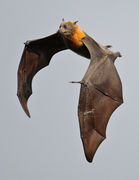 The Queensland Government is running an online discussion forum on Friday 23 September from 12 pm to 1.30 pm. The forum, titled
'Flying foxes, your animals and you', will be streamed live online on the flying foxes and Hendra virus online information session page and on the
Biosecurity Queensland Facebook page.
Watch a panel of experts address the myths and clarify the facts around flying foxes and Hendra virus.
Submit a question for the expert panel or find out more information from the flying foxes and Hendra virus online information session
Avoiding Hendra is easier than killing bats and pending release of a vaccine against Hendra virus, managing the immediate risk to horses and humans is simple – follow simple hygiene and feed management practices that reduce horse and horse feed exposure to bats and their excretions. Hendra virus is a zoonotic disease, which means it can transfer from animals to people. Hendra virus can cause disease in horses but only rarely causes disease in humans. See links to detailed information about Hendra virus from QG DPI website
The panel experts coming together to answer your questions are:
Mr Clive Cook, General Manager, Department of Environment and Resource Management
Dr Michael Cleary, Queensland Health's Acting Chief Health Officer
Dr Rick Symons, Biosecurity Queensland's Chief Veterinary Officer
Dr Hume Field, Biosecurity Queensland's Principal Scientist
If you have an urgent enquiry or suspect a possible Hendra case, notify Biosecurity Queensland on 13 25 23 (business hours) or
the Emergency Animal Disease Watch Hotline on 1800 675 888 24 hour hotline
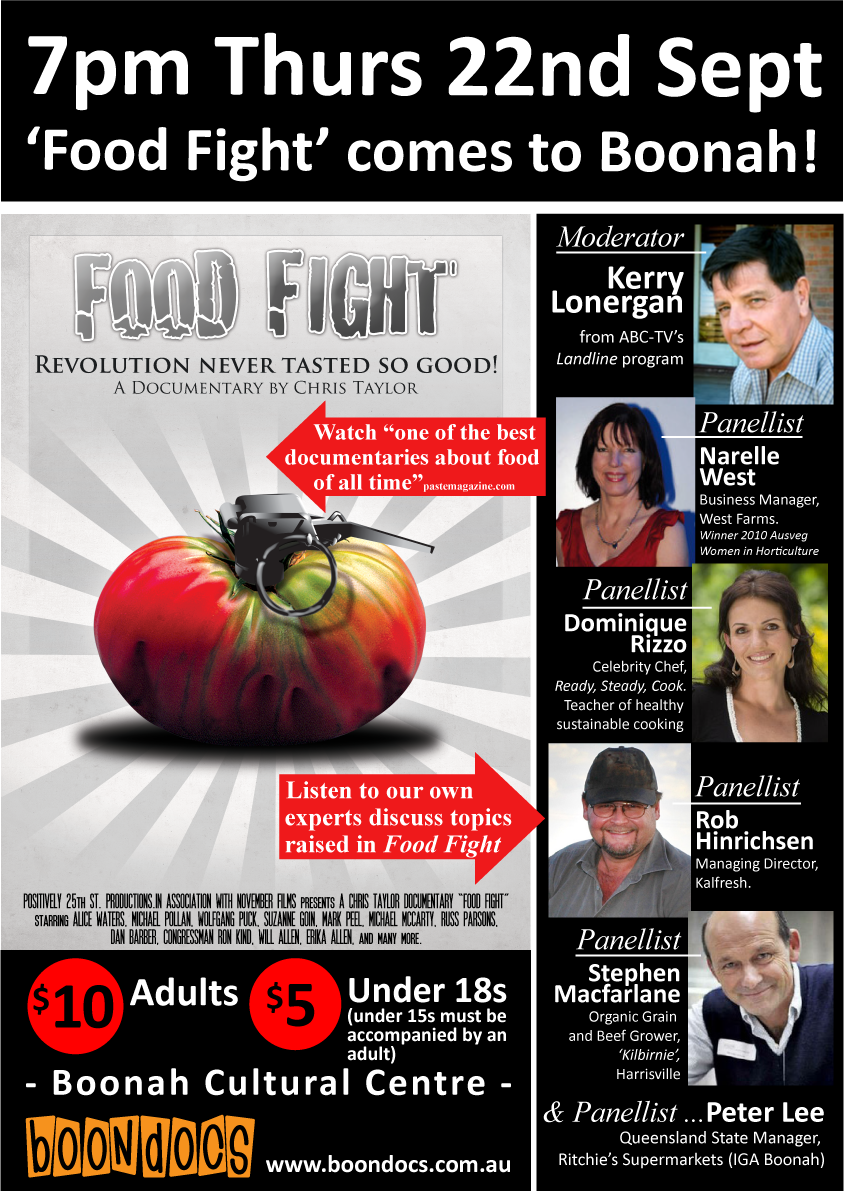
Boonah's own documentary and speaker festival 'Boondocs' will bring an international award-winning food documentary and a discussion panel of food industry experts together at the Boonah Cultural Centre in a special event for the Scenic Rim.
"Food Fight", by US filmmaker Chris Taylor, takes a fascinating look at how American agricultural policy and food culture developed in the 20th Century, and how the Californian food movement has created a counter-revolution against big agribusiness.
"Food Fight" won the Audience Award at the 2008 International Documentary Association;
Best Documentary 2008 HD FEST Los Angeles and
Best in Show-Documentary Indie Fest 2008. It's been rated as one of the top ten films about food of all time.
Following the screening of "Food Fight", Boondocs is honoured to have an expert discussion panel present on the night, comprising representatives from each sector of the food supply chain to bring the topics raised in this US doco to a local level.
See further details at new local food - based website under construction
KOALA data collection in Logan - can you help?
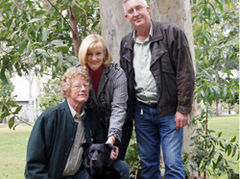 The announcement by Logan City Council that it will ask residents to collect information regarding the sex, health, location, behaviour and the tree species in which koalas are located is welcome. There is an acknowledgement that koalas are an important part of our environment.
We are particularly keen to understand how Logan City Council's koala dog Oscar - pictured aside will complement the koala survey methods used by volunteer resident "citizen scientists" to provide more accurate local habitat mapping city wide.
Although curently Logan may be blessed by 78.9% tree cover that is subject to rapid clearing of sustantial areas for new housing developments, industrial development and the crisscrossing of roads creating a patchwork of disconnected areas of habitat which make no provisions for safe movement of any of our local fauna.
Read council's news re the koala dog here.
As yet there is no online process to become involved in the survey. Read about it here. Phone 3412 3412 for more information.
It is useful to understand that koalas' food source tree the eucalypt is eaten very selectively - only 17 out of 700 different gums are favoured locally growing gums - and then there are other factors not yet understood. In order for all plants to reproduce pollination has to occur and the pollinator of eucalypts is the flying fox.
Our much loved koala and the targeted maligned and misunderstood flying fox are co dependant - both needing the eucalypt as a food source. The flowers of gums open at night when flying foxes are foraging and are thus pollinated by these critically important animals. The collapse of honey bees worried our food production because the uncosted labour performed by bees is difficult to replicate by humans [ not impossible in some circumstances.
How would we scale trees at night in a 4 hour window of time to replace the pollination services of flying foxes? All too often we fail to see wider connections of ecosystem and ecological services - provided freely when biodiversity infrastructure is intact - by our ecosystem services.
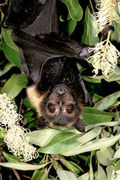 The flying fox is at the forefront of many newspaper stories since the 2011 outbreak of Hendra. All horses that are tested positive are euthanized if they do not die of virus first. This is because of difficulty of keeping the large animal within required biosecurity framework.
While it is a tragedy to lose any human life ,4 of 7 people exposed to Hendra have died - all men, it is understood that Hendra cannot be transmitted directly from the bat to a human - the horse is needed as an intermediary for the human to contract the virus. Why are communities more upset about this possibilty than deaths on roads, death from air pollution, deaths from accidents in hospitals, deaths from coal mining accidents to name just some of many.
Do we assume that when humans cause death from accidents it is an unavoidable part of living in our society? We can contract may illnesses directly from animals such as cats, dogs, cows, pigs and more. These are called zoonoses. Zoonotic diseases can spread through a variety of means such as working closely with livestock, household pets, exhibited animals or wildlife, by coming in contact with soil or water contaminated by animals.
Practising good personal hygiene, wearing protective clothing, maintaining healthy animals and undertaking vaccination where appropriate, can minimise the risk of some animal-borne diseases infecting people.
DPI have information about protection of horses on their website here.
Flying foxes often visit properties where native eucalypts, bottlebrushes, lilly-pillies, figs and melaleucas are flowering. Blossoms are their primary source of food. They will also feed on palm seeds and exotic fruits when native food is less abundant.
Horse owners should follow these steps to reduce the risk of their horses becoming infected with Hendra virus:
Australian Bat Lyssavirus is caused by a bite or scratch from an infected bat. Carers pay over $200 of their own money to be vaccinated so they can care for injured / orphaned bats.
IT IS ESSENTIAL YOU DO NOT ATTEMPT TO CATCH OR MOVE FLYING FOXES / BATS UNLESS YOU HAVE BEEN VACCINATED.
You can read more about Zoonotic diseases at DPI website here.
A 300,000-strong bat colony is set to be "moved on” from Gayndah in the next five weeks – but where it will go, nobody knows. North Burnett Regional Council workers will start cutting branches from the trees where the animals roost in about five weeks time. It is a move that will pave the way for future flying fox colony relocations, with the Department of Environment and Resources pouring $40,000 into monitoring the impacts of dispersing the animals and the risk of spreading hendra virus. "We have to wait about five weeks until the little bats are able to fly before we move them on,” Mayor Joy Jensen said. "Where are these bats going to go? No one knows. But the permit has been granted for the full township of Gayndah so at least we know we can work on them until they leave.” Ms Jensen said residents were sick and tired of the bats, which not only posed a health risk but had caused "immeasurable” damage to the town’s riverbank since they arrived in September last year. A number of businesses had also been hit hard by the "smelly” and "noisy” colony, particularly the ones located along the river. "There has been no explanation as to why they’re in such large numbers. It’s an unbelievable sight to see that many bats hanging in so few trees,” Ms Jensen said. Anyone who couldn’t understand why residents were so distressed should come and have a look for themselves, Ms Jensen said. "It hasn’t been a pleasant situation and it’s driven a lot of people to say and threaten to do a lot of things they wouldn’t consider under normal circumstances. "Residents feel the bats were given priority over them.” *Fraser Coast Chronicle